How to Find Recurring Paid Drone Pilot Jobs in Your Area
Building a Reliable Pipeline of Flight Work
For FAA-certified drone pilots, the difference between occasional gigs and a steady income often comes down to how they find their next job. Many pilots start by chasing one-off projects from online boards, but that approach rarely builds the kind of recurring work that keeps a schedule full. The real opportunity lies in understanding where consistent capture requests come from and how to position yourself to receive them. This article walks through the steps that help you move from sporadic assignments to a dependable flow of paid drone pilot jobs.
Step 1: Identify the Types of Clients Who Need Regular Coverage
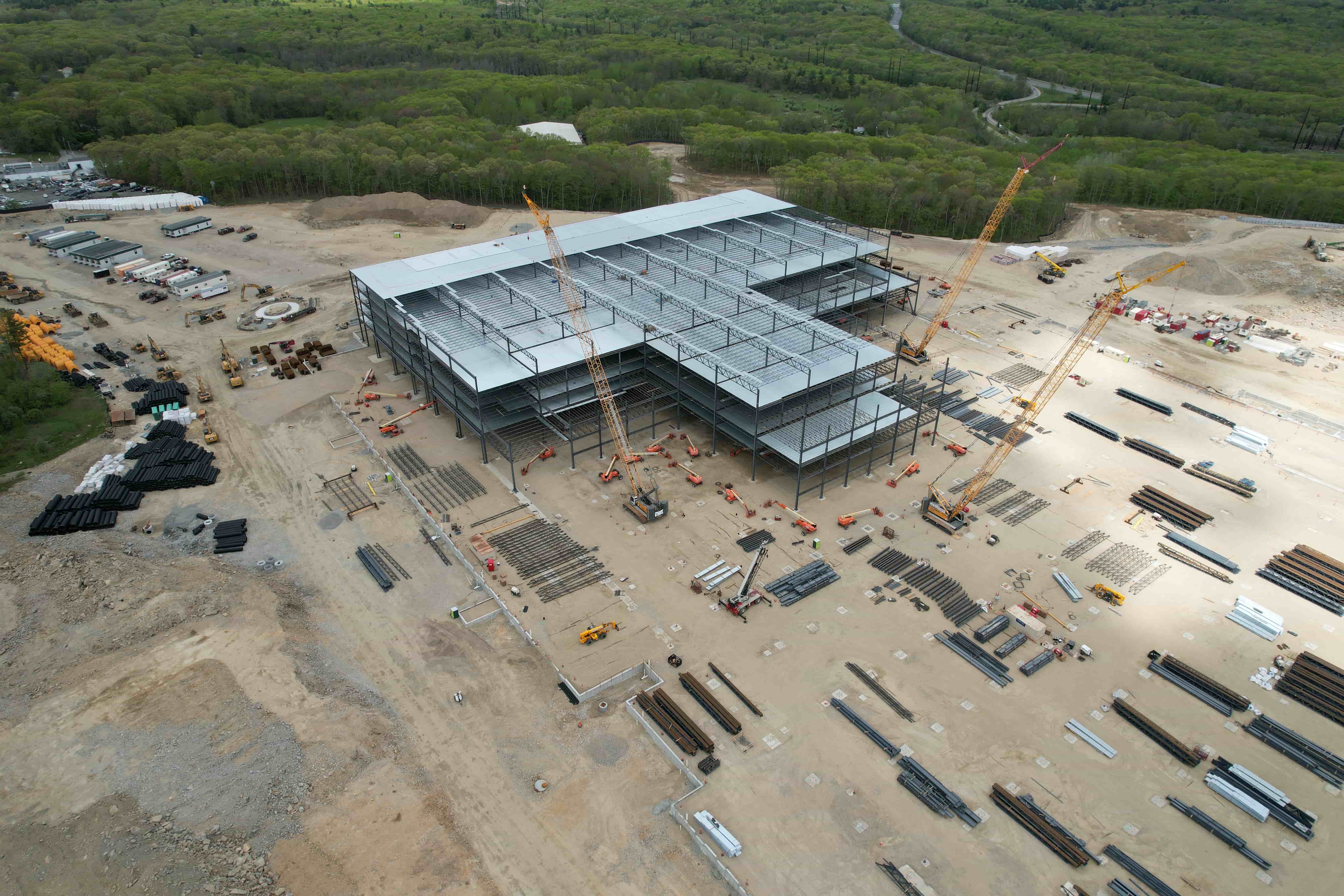
Not every client wants a single flight. Real estate agents may need monthly property updates for listings. Construction firms often require weekly or bi-weekly progress shots over the life of a project. Utility companies, solar farm operators, and agricultural consultants frequently schedule flights at set intervals to monitor growth, detect issues, or track changes. The common thread is that these clients have ongoing needs, not one-time requests. Start by listing industries in your service area that operate on cycles: farming seasons, construction phases, infrastructure inspection schedules, and property management turnovers. Each of these creates a natural pattern of repeat work.
When you approach a potential client, ask about their long-term needs rather than just the immediate job. A single capture request might be the first of many if you can show how regular flights save them time and provide better data. For example, a farmer who wants one field check might benefit from monthly NDVI flights throughout the growing season. A contractor who needs a single progress photo might prefer a weekly series that documents the entire build for marketing and compliance. By framing your service around recurring value, you turn a one-off into a steady account.
Step 2: Register on Platforms That Specialize in Pilot Assignments
Several online marketplaces connect drone pilots with clients who post flight assignments. These platforms vary in how they vet pilots, how they handle payouts, and what percentage of the fee they keep. When you sign up, pay attention to the pilot application process: some require proof of insurance, a sample portfolio, and a minimum number of logged flights. Completing a thorough profile with clear examples of your work increases your chances of being selected for jobs. Once you are approved, you can browse available missions in your area and apply for those that match your equipment and skills.
What to watch: Not every platform is created equal. Some offer a high volume of jobs but take a large payout percentage, leaving you with a thinner margin. Others focus on quality over quantity, with fewer but better-paying assignments. Read the terms carefully and calculate your net earnings per job before committing your time. Also check whether the platform handles scheduling or leaves that to you and the client. A platform that manages the booking can save you administrative hassle, but one that simply passes along a capture request may require more follow-up on your part.
Step 3: Build Relationships with Local Businesses That Already Use Aerial Data
The most reliable source of recurring local work for drone pilots is often the businesses that already understand the value of aerial imagery. Surveying companies, engineering firms, and environmental consultants regularly need updated orthomosaics or 3D models. Property managers with large portfolios may want quarterly roof and facade inspections. Local governments sometimes have annual or seasonal mapping contracts for infrastructure, parks, or disaster response planning. These organizations already have budgets for data collection; they just need a pilot they can trust.
Approach them with a brief proposal that shows how your service fits their existing workflow. Offer to do a small sample project at a reduced rate to demonstrate reliability. Once they see consistent results, they are far more likely to book you again. The key is to become the default pilot they call, not just one of many names on a list. Follow up after each job with a short report and a note about when the next flight might be useful. This simple habit keeps you top of mind and turns a single assignment into an ongoing relationship.
Step 4: Use Job Briefings to Understand Client Expectations
Every time you receive a capture request or a flight assignment, treat the job briefing as your most important document. A good briefing specifies the exact area to cover, the required resolution, the delivery format, and any special instructions such as no-fly zones or time-of-day restrictions. If the briefing is vague, ask clarifying questions before you launch. Misunderstandings lead to re-flights, which cost you time and can damage trust. Clear briefings also help you estimate how long the job will take, what gear you need, and whether you can bundle it with another nearby assignment.
What to watch: Some clients may not know how to write a proper briefing. In that case, offer to help them structure it. Walk them through what you need: a polygon of the area, the type of output (photos, video, orthomosaic, thermal), the deadline, and any access restrictions. A well-prepared briefing protects both sides and makes the project run smoothly. Over time, you will build a library of briefings for recurring clients, which makes each subsequent job faster to set up.
Step 5: Manage Your Schedule to Maximize Efficiency
Recurring work only stays profitable if you can fit multiple jobs into a single day or week. Look at your service area and plan routes that group assignments geographically. If you have three sites in the same part of town, schedule them back-to-back rather than spreading them across different days. This reduces travel time and fuel costs, and it lets you offer a lower price per job while still maintaining good margins. Use a calendar tool that allows you to block out recurring slots for regular clients. For example, every Monday morning could be reserved for construction progress flights, while Friday afternoons might be open for last-minute inspection requests.
What to watch: Avoid overbooking. A client who expects a weekly flight at a set time will be unhappy if you cancel because you double-booked. Build in buffer time for weather delays, equipment issues, and unexpected client requests. It is better to turn down a new job than to disappoint an existing client who provides steady work. Remember that recurring clients are your anchor: they give you predictable income and reduce the time you spend searching for new leads.
Step 6: Deliver Results That Encourage Repeat Business
Getting the job is only half the equation. Keeping it requires delivering data that the client can actually use. Process your images promptly, check for quality, and provide the output in the format the client requested. If the client project involves orthomosaics or 3D models, include a brief summary of what the data shows, not just the files. For example, a construction manager might appreciate a note that the foundation pour is on schedule and that no unexpected debris is visible. That extra context shows you understand their needs beyond just flying a drone.
After each delivery, ask if there is anything else they need. Sometimes a client will realize they could use thermal imagery or a different angle once they see the initial results. By staying responsive, you open the door to expanding the scope of your recurring work. Over time, that single weekly flight may grow into a package that includes multiple sensor types and regular reporting.
Step 7: Keep Your Credentials and Equipment Current
FAA certification is the baseline, but many clients also expect additional training or endorsements. Part 107 renewal, night-flight authorization, and waivers for operations over people or beyond visual line of sight can set you apart from other pilots. Some platforms and direct clients require proof of these credentials before they will assign you a job. Keep copies of your certificates and insurance easily accessible, and update your profiles as soon as you add a new qualification.

Equipment matters too. A drone that can handle wind, has a good camera, and supports automated flight paths will produce more consistent results. If you plan to take on recurring work that requires the same output each time, invest in gear that you can rely on day after day. Regular maintenance checks prevent failures that could cost you a client. A spare battery and a backup drone are not luxuries; they are tools that keep your schedule on track when something goes wrong.
Putting It All Together
Finding recurring paid work is not about luck. It is about positioning yourself where the work is, building relationships with clients who need regular flights, and delivering results that make them want to keep coming back. Start by identifying the industries in your area that operate on cycles, then register on platforms that specialize in flight assignments. Use every job briefing to understand what the client truly needs, and manage your schedule to group jobs efficiently. Deliver more than expected, and keep your credentials and gear in top shape. Over time, the mix of platform assignments and direct client relationships will create a steady pipeline of local work for drone pilots that covers your base and leaves room to grow.
Consistency is the goal. A single large project can feel great, but it is the weekly, monthly, and seasonal jobs that build a real business. By following these steps, you shift from chasing every ad to running a predictable operation that clients rely on. That shift is what turns occasional flights into a career.